


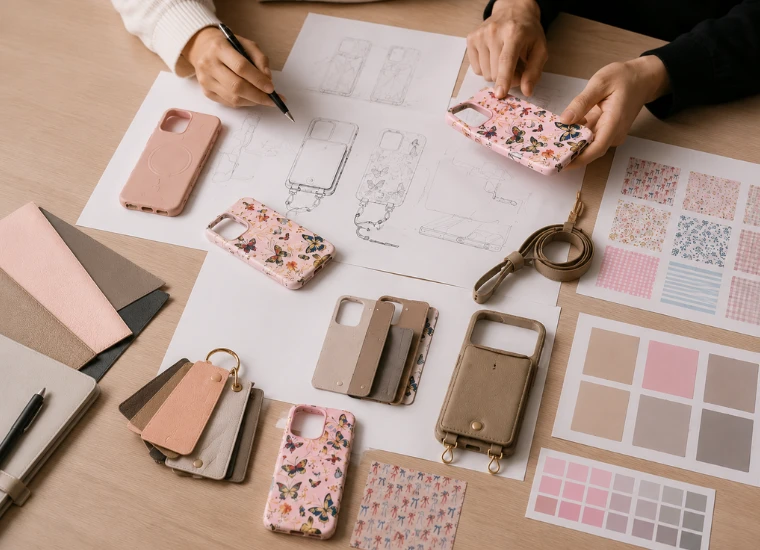
Sustainable Leather Goods
for Tech Brands
Products made with sustainable materials are key to helping tech brands support premium pricing and build a socially responsible brand image. The sustainable leather goods we provide meet the technical requirements of electronic products, including abrasion resistance, fingerprint resistance, and precision hot-press forming, while helping brands create truly sustainable product solutions.



We offer a comprehensive range of leather tech accessories—including cases for mobile phones, tablets, laptops, headphones, and smart glasses, as well as cardholders—alongside various storage solutions and lifestyle leather goods. All products support 3D design customization and can be manufactured using PCR recycled materials (ranging from 30% to 100% content). We also provide services for brand logo design, functional structural customization (such as multi-functional stands and convenient storage features), and eco-friendly packaging solutions.
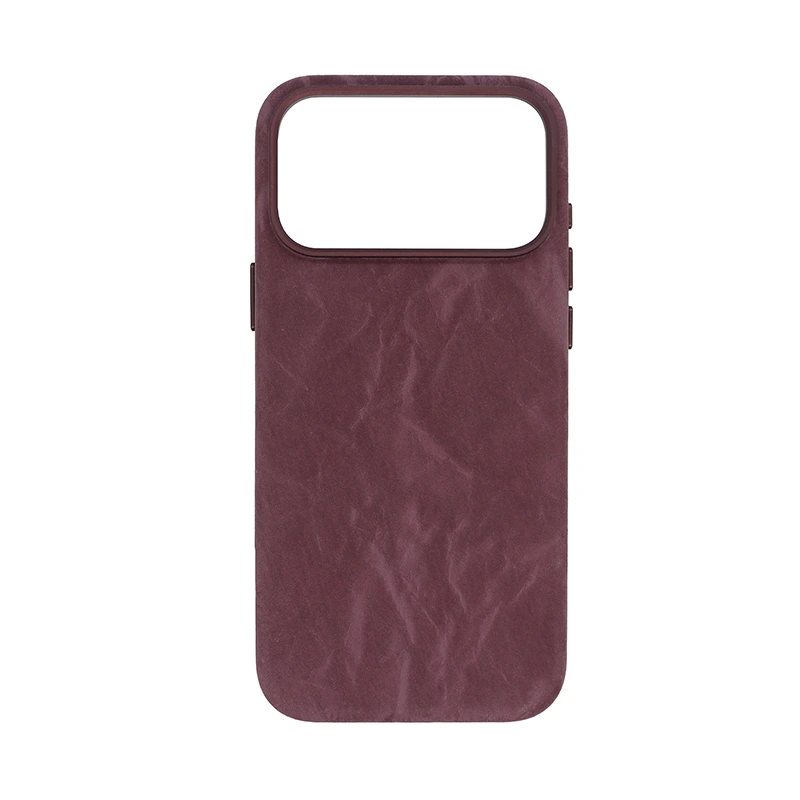
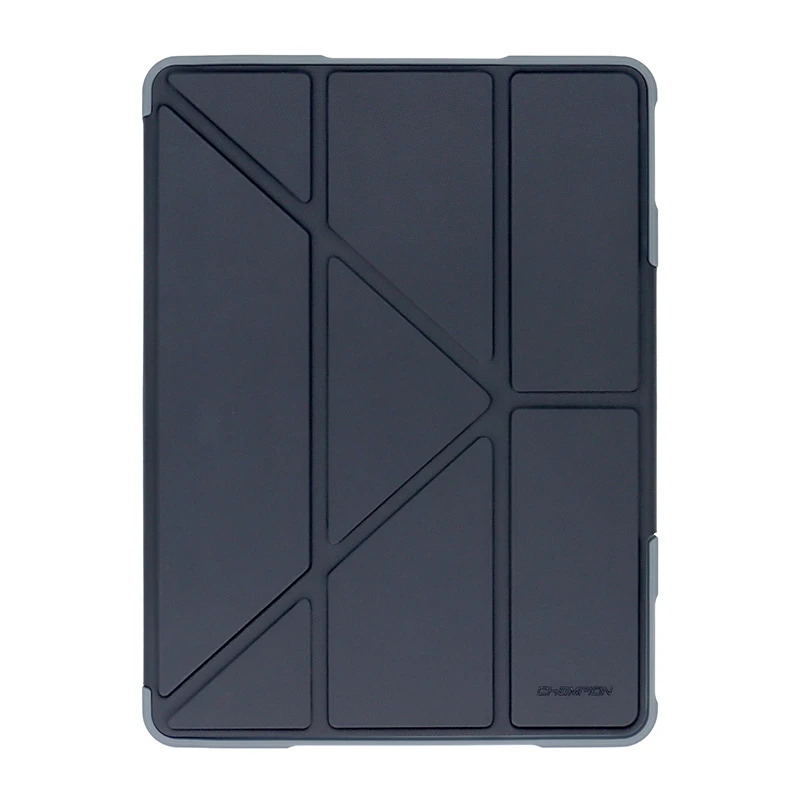
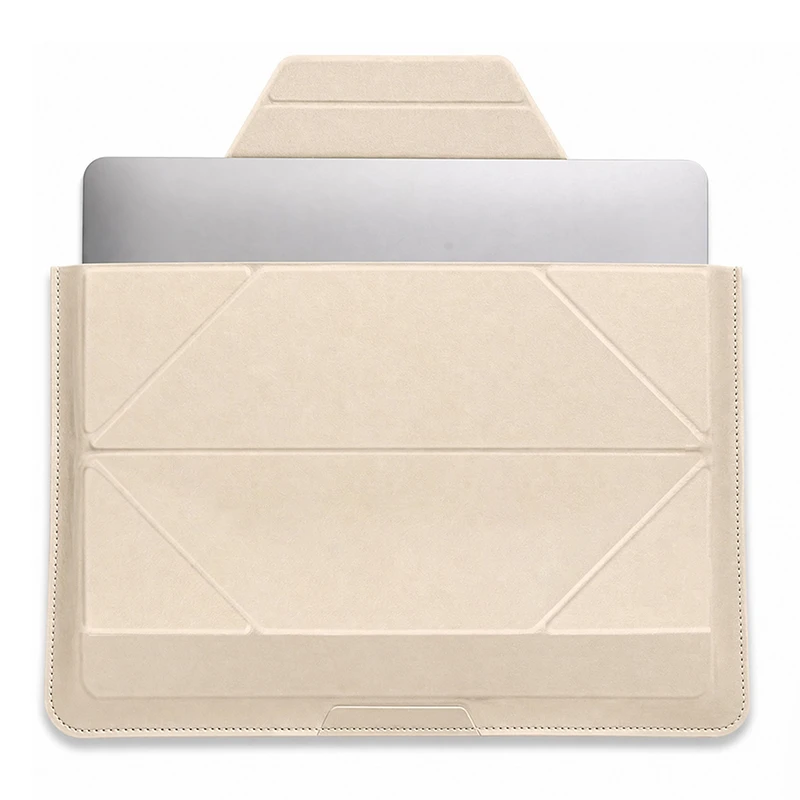
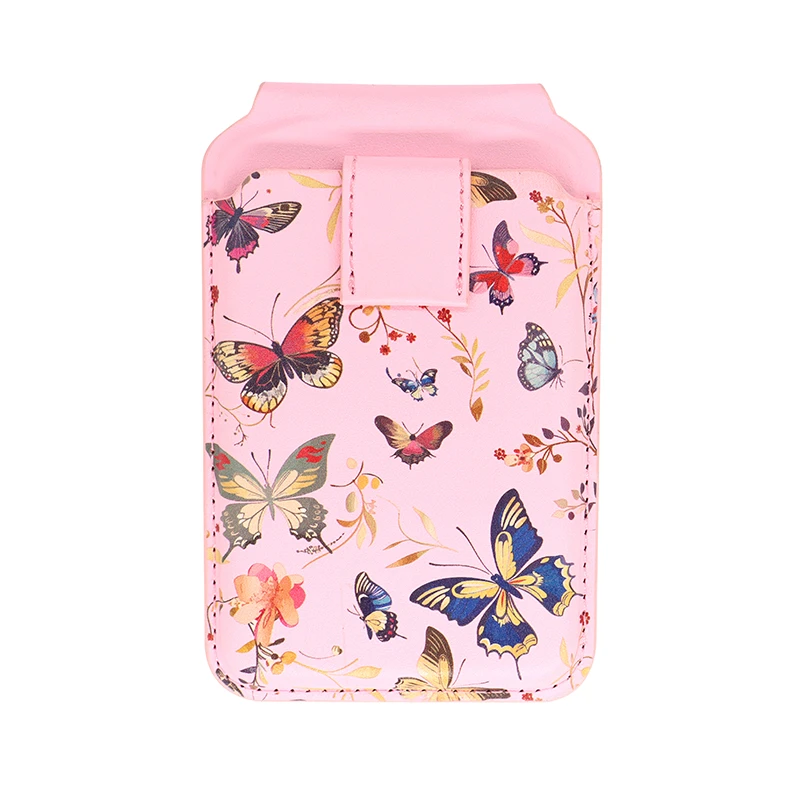
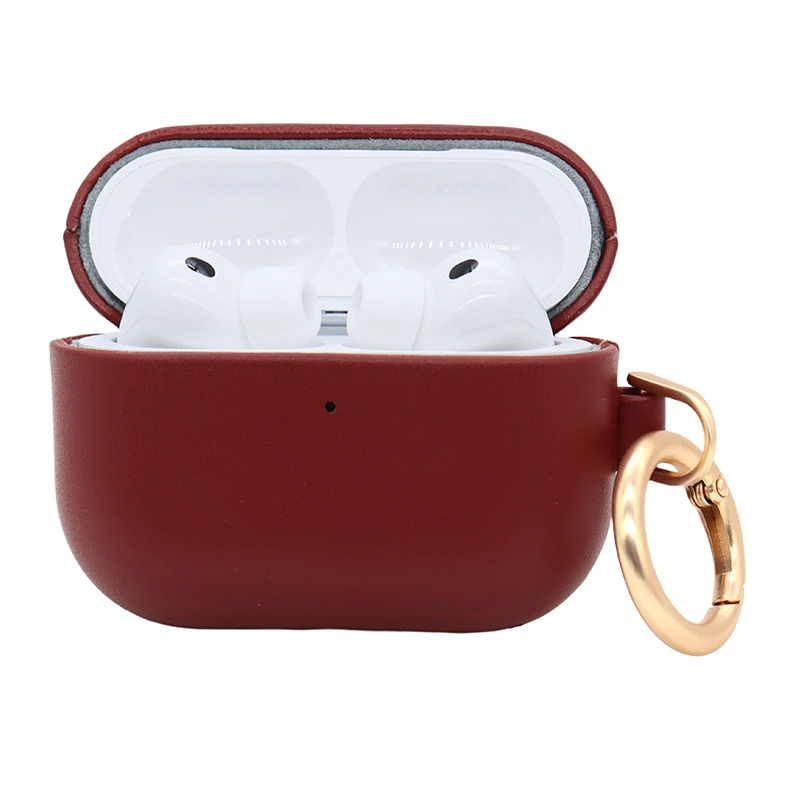
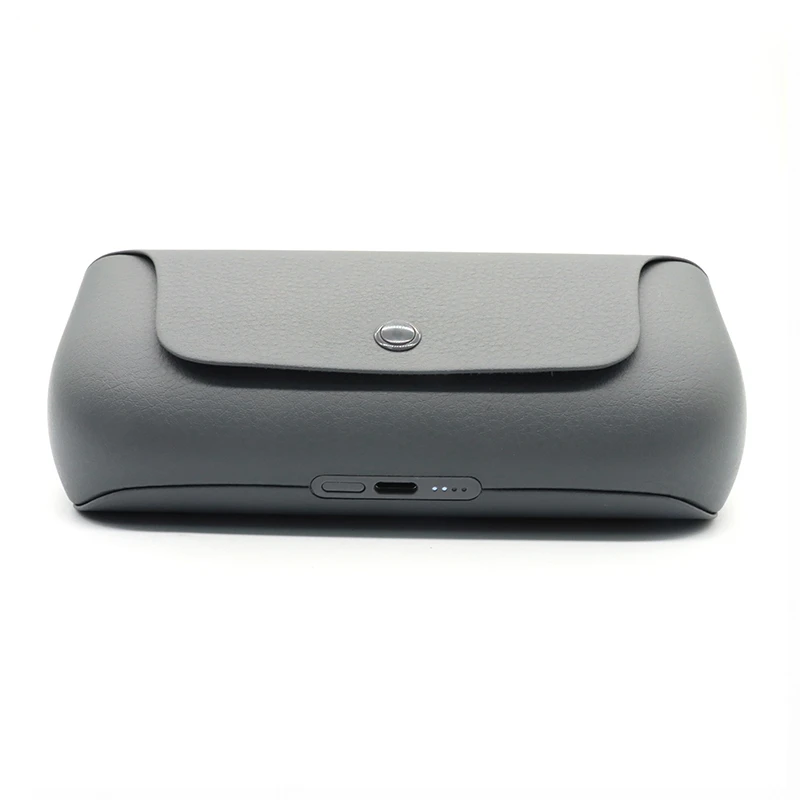
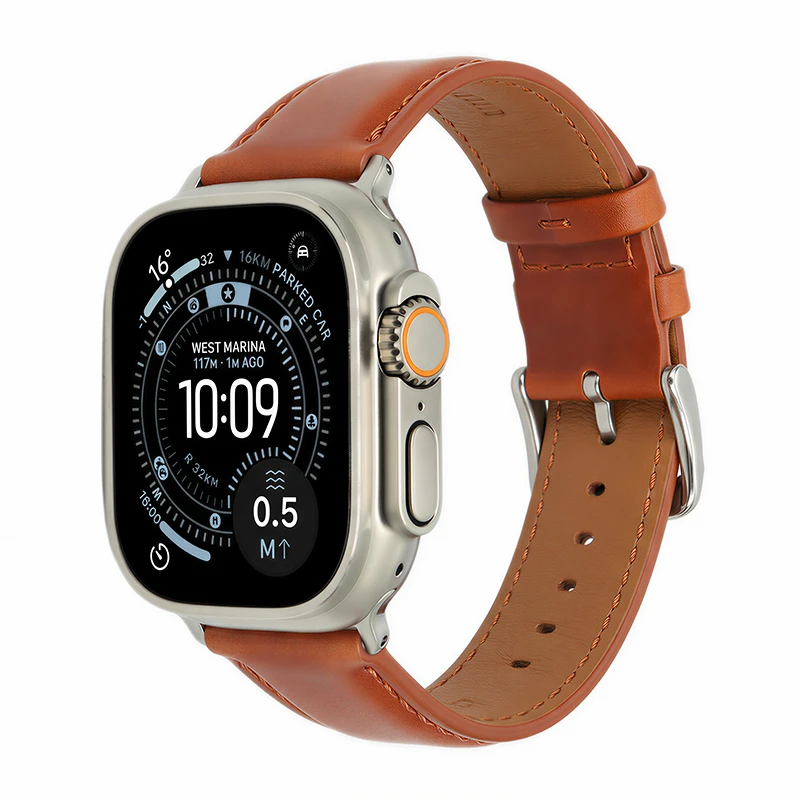
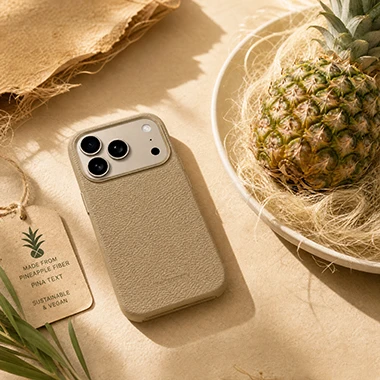
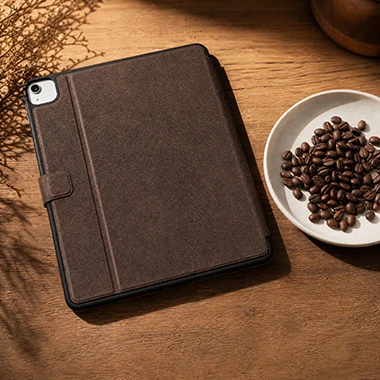
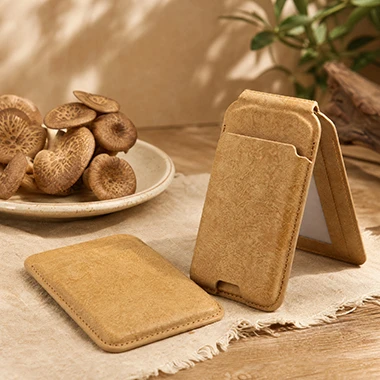
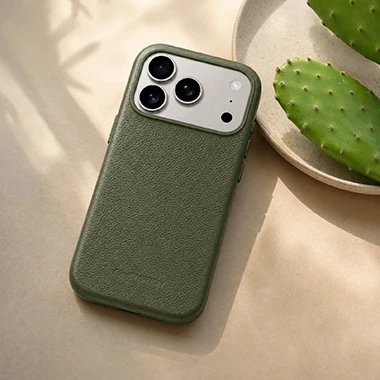
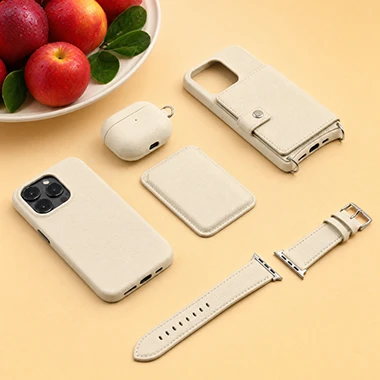
Custom Sustainable Leather Goods Solutions
All products support 3D design customization, can use environmentally friendly materials, and offer brand logo design, functional structure customization, and environmentally friendly packaging solutions.
Sustainable Material Options
Custom Structure & Function
Branding and Finish Options

How We Develop Sustainable Leather Goods
We match material thickness, backing, bonding methods, and construction to each product’s shape and intended use. Samples are checked for fit, finish, flexibility, and durability before production approval.
Adhesives are selected for the material combination and required bond performance, with water-based options for compatible constructions.
Explore Material Options


Sustainable Leather Goods Manufacturing
– 3R Principles – Reduce · Reuse · Recycle
At the core of sustainable manufacturing lies not merely the materials themselves, but also the manner in which products are designed, produced, and recycled. Champion integrates the “3R” principles into its sustainable leather goods R&D and manufacturing framework—leveraging bio-based alternative materials, the reuse of manufacturing waste, and structural designs that facilitate easier disassembly—to assist brands in reducing their reliance on virgin resources and enhancing the overall material efficiency of their products.
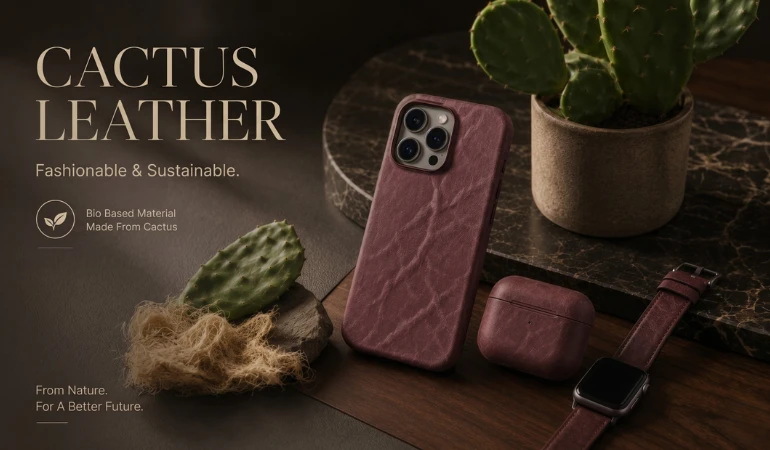
Reduce — Minimizing Virgin Material Use
The reliance on animal leather and petroleum-based PU materials remains one of the most difficult resource dependencies to reduce in conventional leather goods production.
Bio-based Leather Solutions
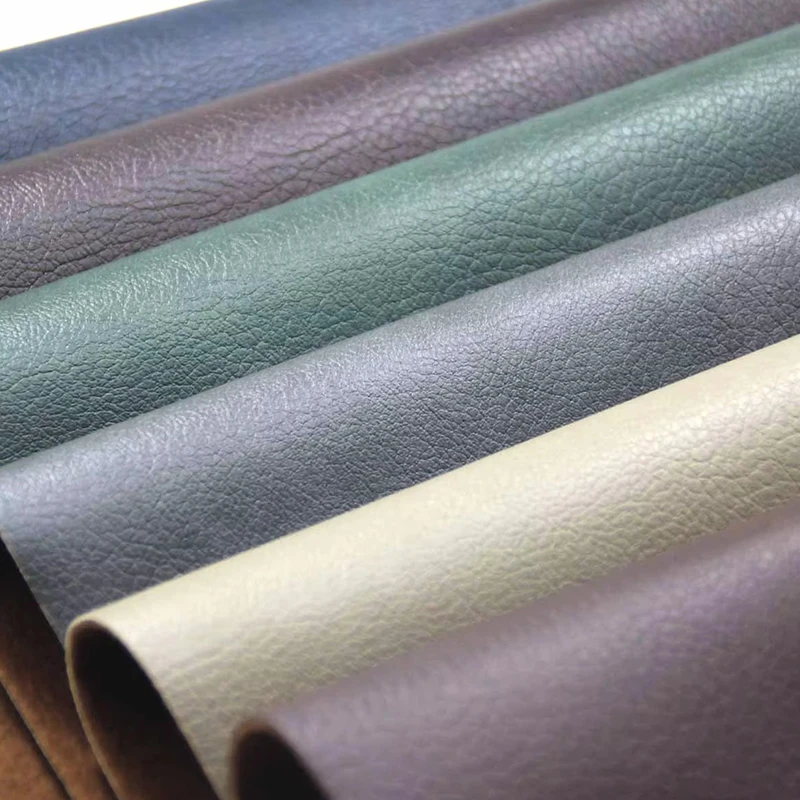
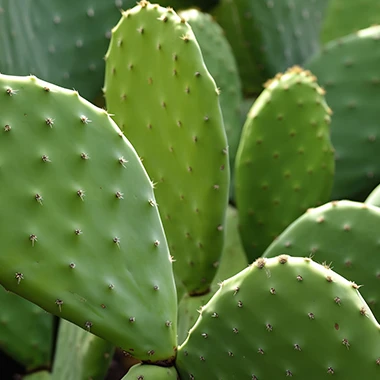
For sustainable custom projects, Champion prioritizes plant-based alternative materials including apple fiber leather and cactus leather. Through continuous process refinement, we reduce dependence on virgin plastics and petroleum-derived components while meeting the tactile, aesthetic, and daily performance requirements expected of sustainable leather goods.
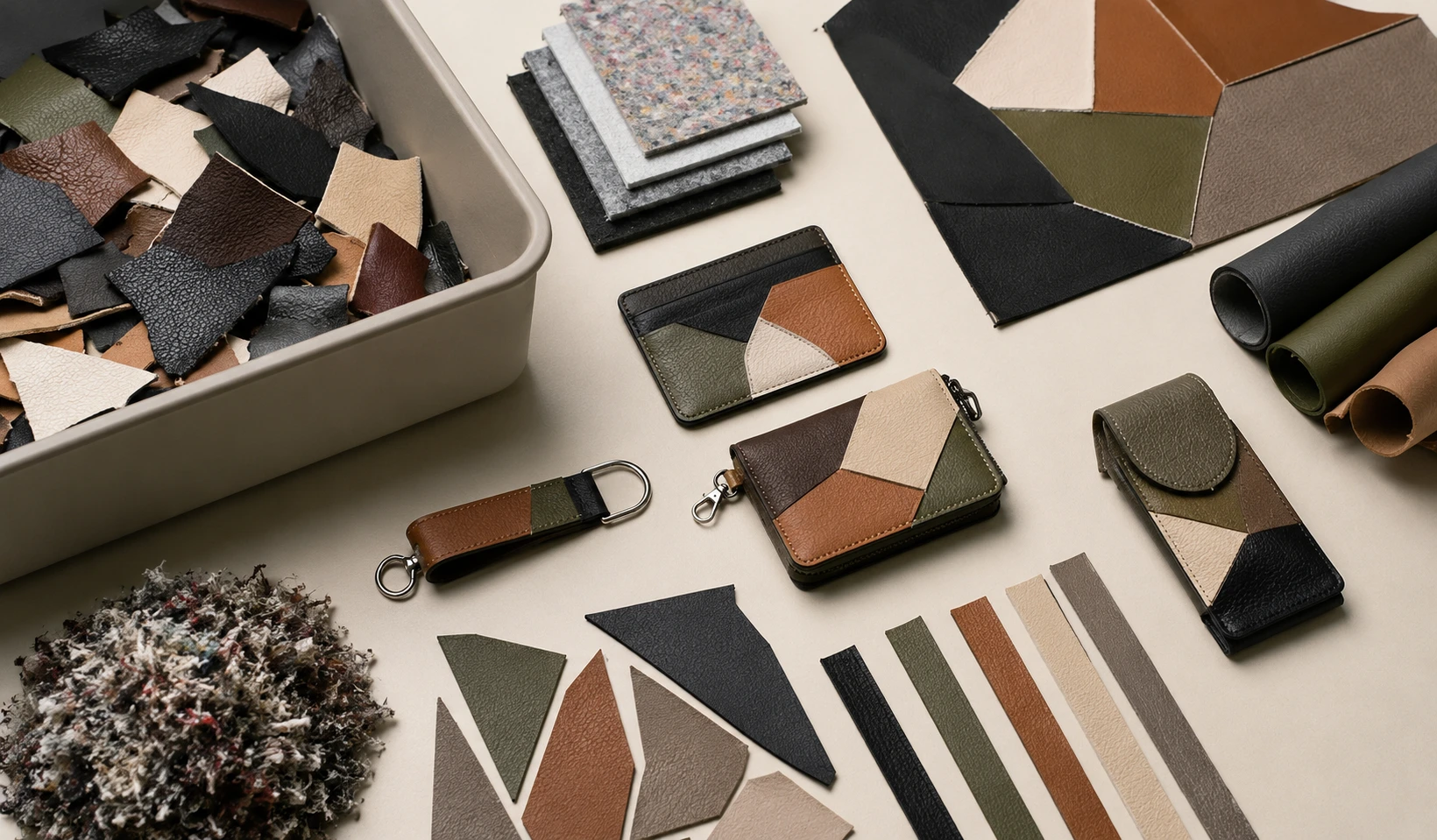
Reuse — Maximizing Material Utilization
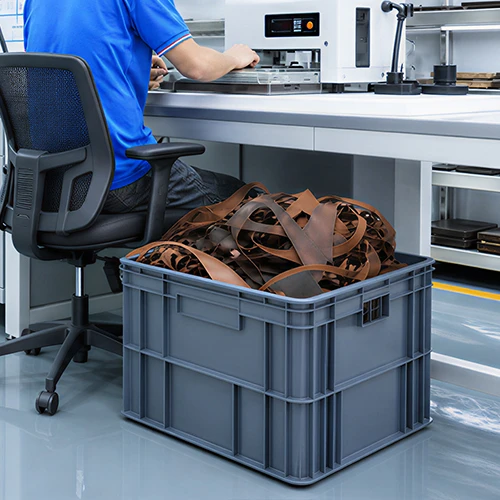
Leather offcuts generated during the cutting process represent a long-standing source of material waste that lacks systematic handling at the manufacturing level. At Champion, offcuts and recycled fibers that retain usable value are reclassified, recut, and recombined for use in small accessories, spliced structural components, and supplementary lining layers.
This approach reduces waste output at the production stage while offering brand partners a complete sustainable accessory extension direction.
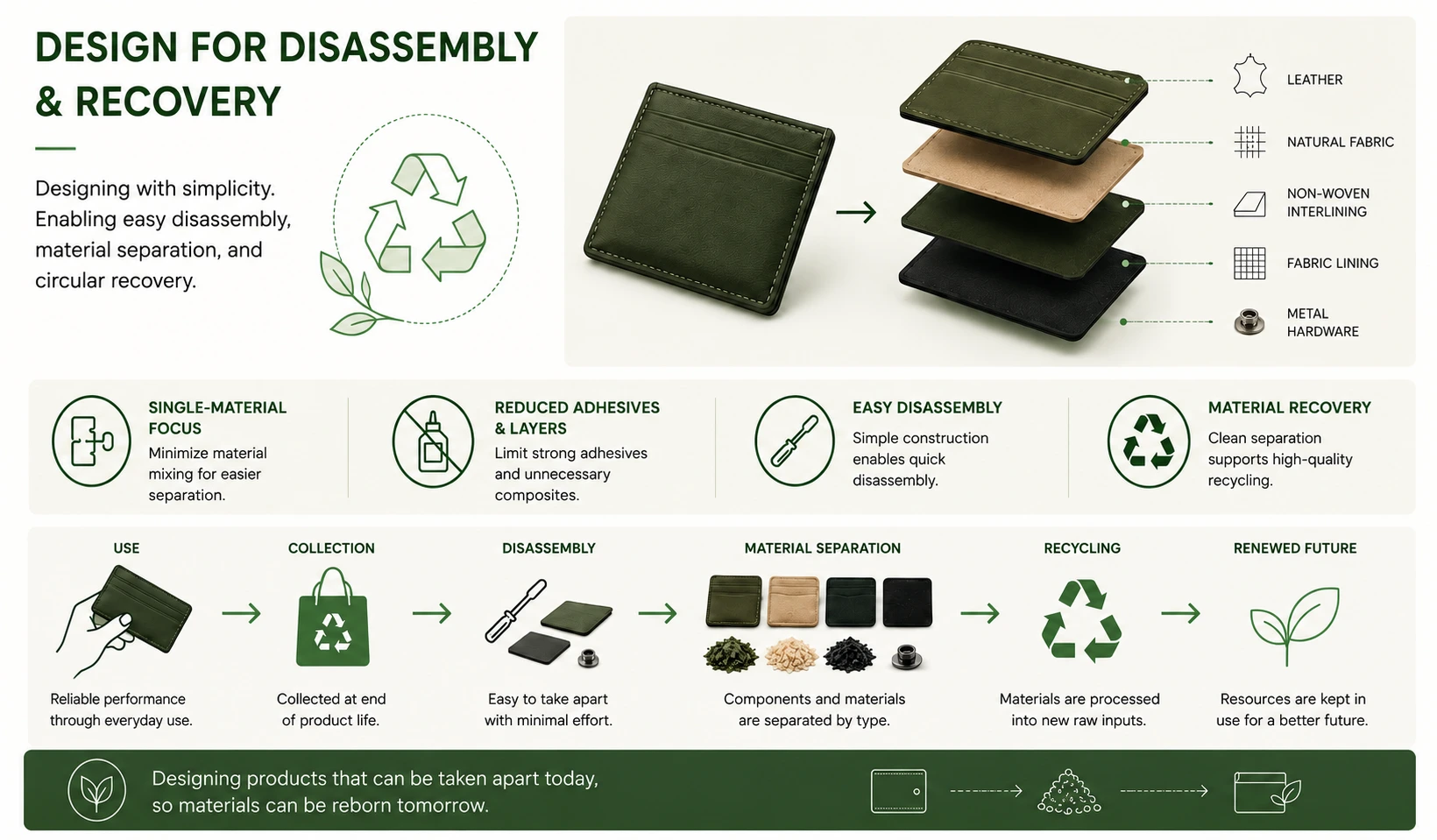
Recycle — Design for Disassembly & Recovery
Multi-layered, inseparable composite structures represent the greatest barrier to recycling sustainable Products. Champion has therefore prioritized easily separable, monolithic designs as the preferred approach for its sustainable leather goods.
By minimizing material layers and reducing reliance on heavy-duty mixed adhesives, we ensure that material separation and end-of-life recycling are practically feasible.
Sustainable Leather Goods Case Studies
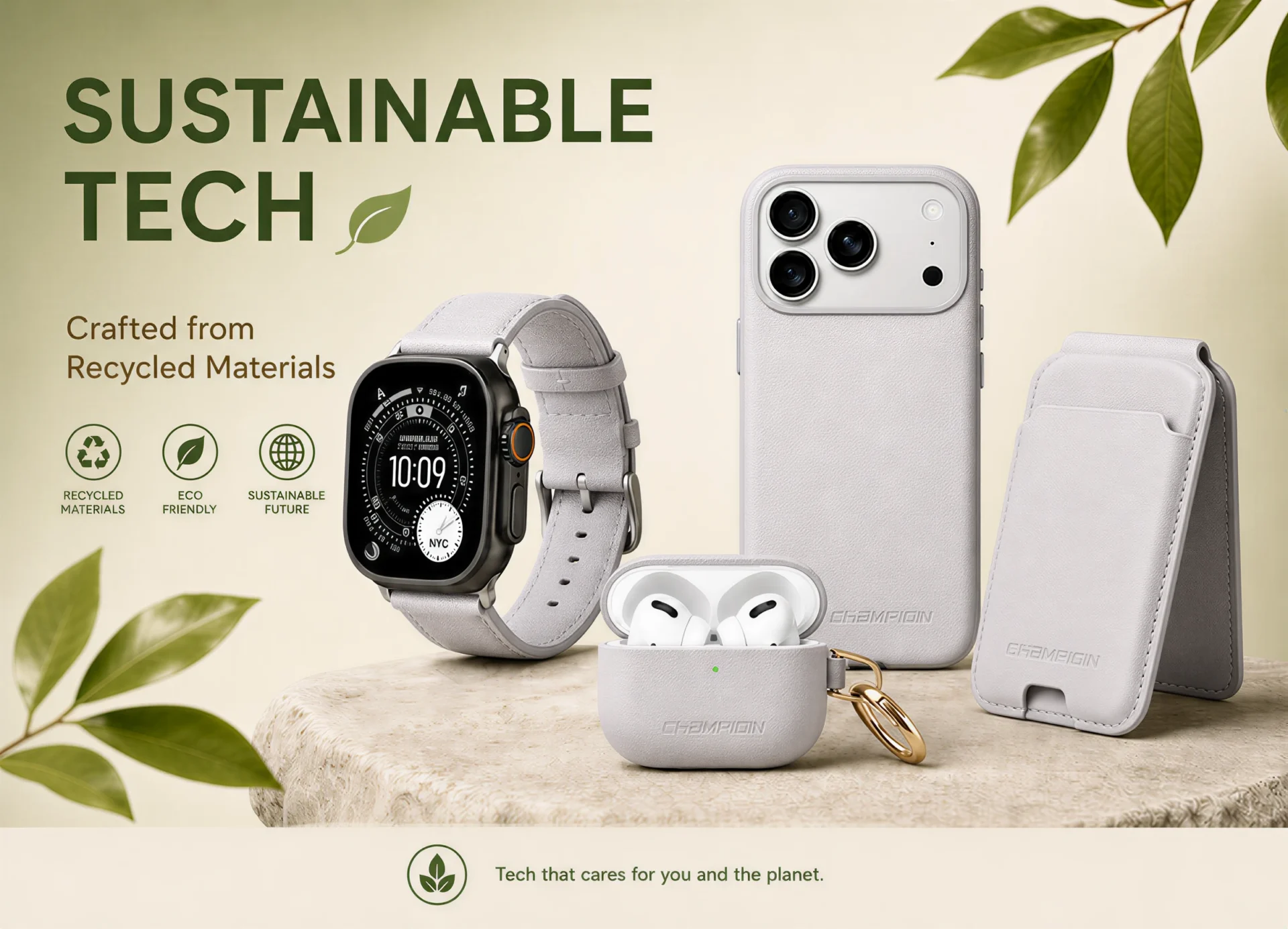
Turning Leather Waste into Sustainable Leather Goods
DECODED’s RE_CODED collection gives leather scraps from Nike’s footwear production a new use in tech accessories. According to the brand, its Nike Grind iPhone 13 Pro case contains at least 39% Nike Grind material.
The case combines a Nike Grind recycled leather lining with a full-grain aniline leather exterior, MagSafe compatibility, and raised protection around the screen and camera. This provides a practical example of incorporating recycled leather into a finished accessory while retaining the protective features and charging compatibility customers expect.
For recycled leather projects, we assess where the material works best, including outer panels and protective linings. We match its thickness, backing, flexibility, and surface finish to the product’s construction, then develop the cutting, wrapping, and edge treatment accordingly. This helps brands introduce recycled leather into their products with accurate device fit, clean finishing, and a material choice suited to its intended use.
From Aloe Waste to a Tech Accessory Collection
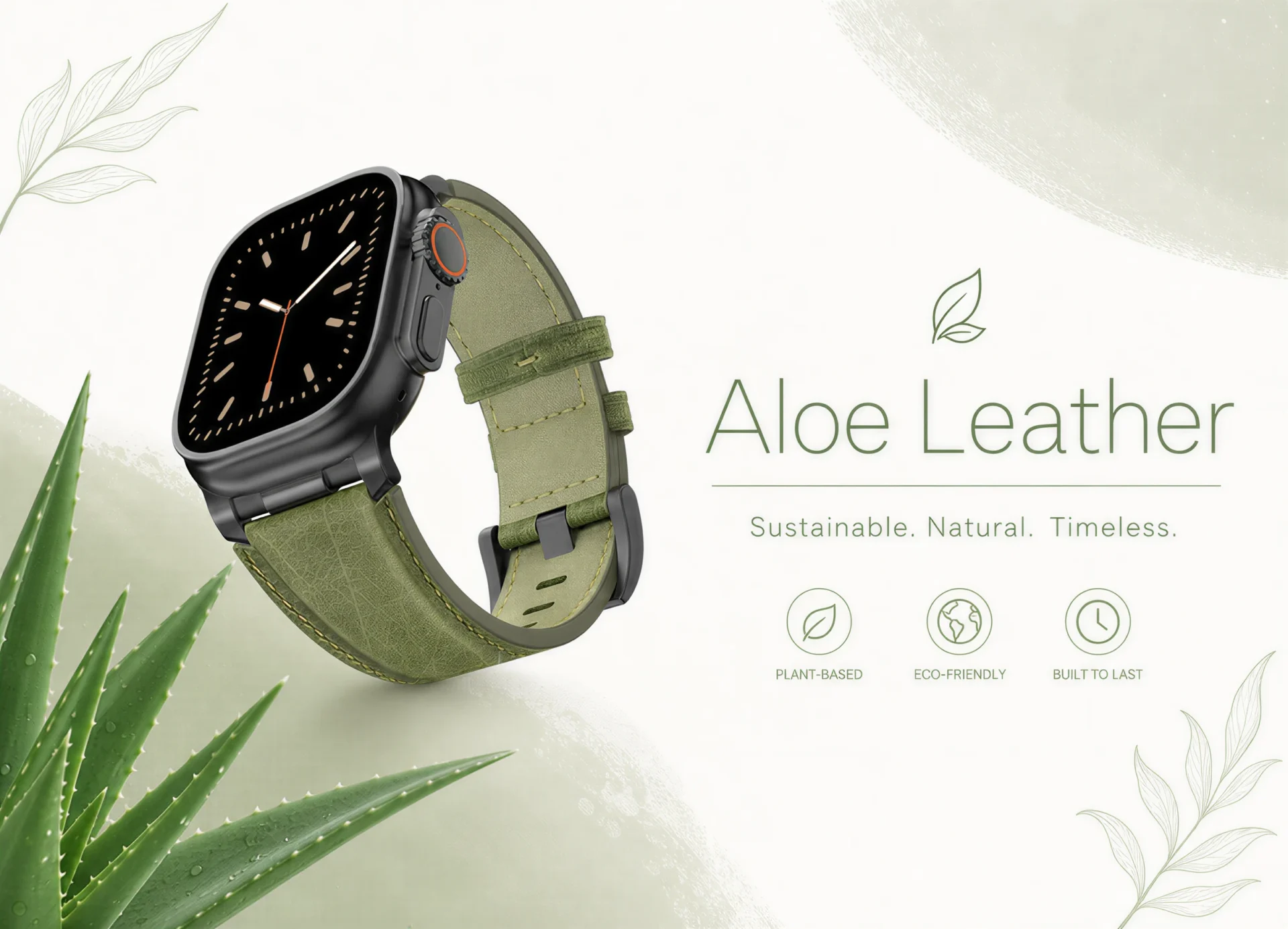
Woodcessories uses its AloSkin leather alternative across iPhone cases, AirPods cases, and Apple Watch bands. Made with by-products from the aloe vera industry, natural rubber, and post-consumer PU, the material brings agricultural waste and recycled resources into everyday tech accessories.
According to Woodcessories, producing AloSkin uses 80% less water and energy than genuine leather, while the material is three times as durable as PU leather alternatives. Its application across several product categories also gives customers a choice of matching accessories with a shared material, look, and feel.
We help brands develop their own coordinated accessory collections using selected bio-based leather alternatives. Material thickness, backing, and construction are adapted to each product’s fit, flexibility, and everyday use, while colors, textures, logo details, and packaging are coordinated across the range. This gives brands a consistent visual identity across products designed for different devices.
Water-Based Bonding for Bio-Based Leather Accessories
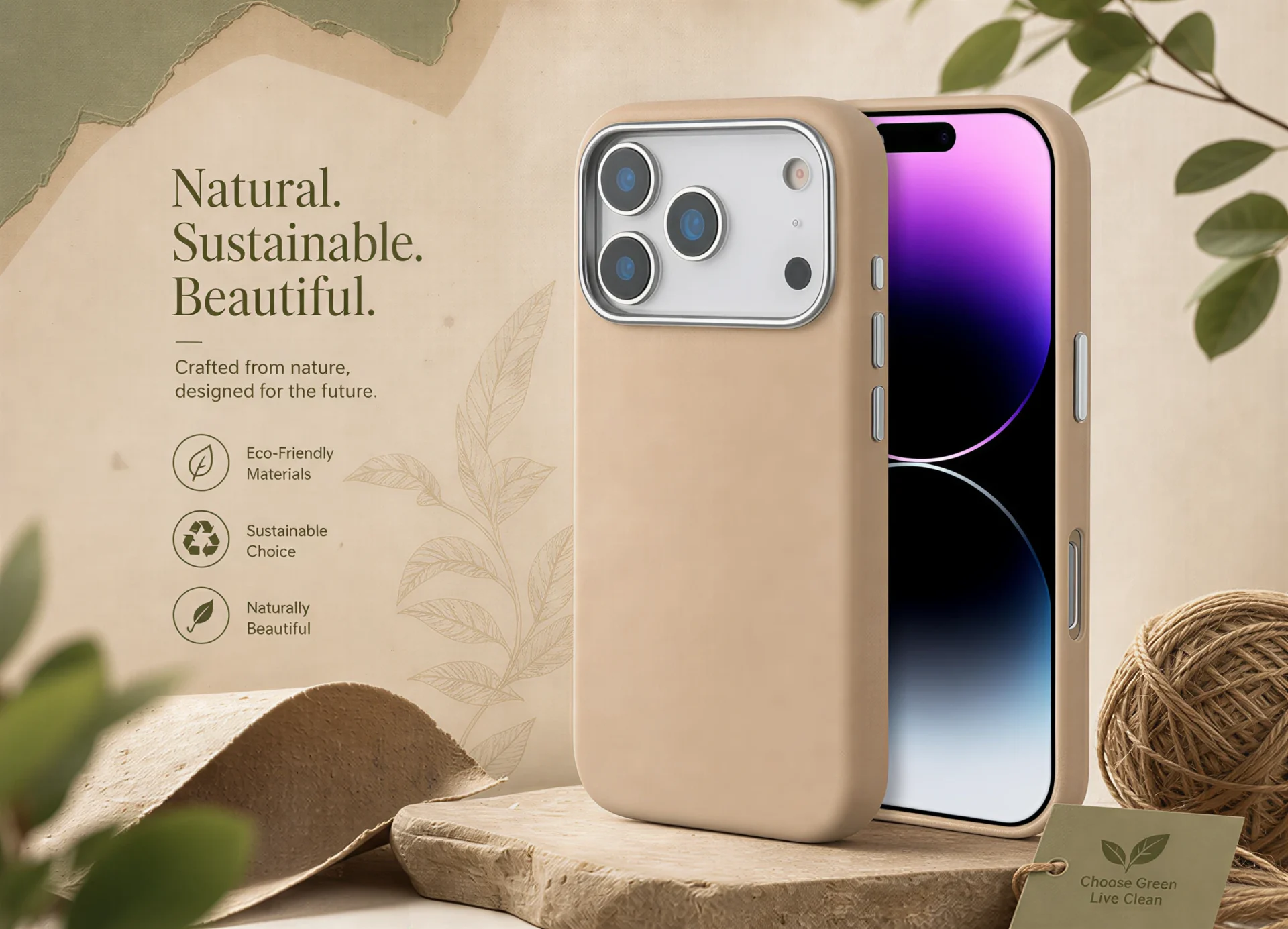
Adhesive selection is an important part of working with bio-based leather alternatives. In its 2023 product catalogue, Desserto specifies water-based adhesives for its cactus-based material and advises against using solvents. The same guidance warns that certain solvents can cause permanent damage, highlighting the importance of matching the bonding process to the material.
At Champion, we develop the bonding process around the selected bio-based material, its backing, and the protective shell. We select water-based adhesives for each material combination and adjust surface preparation, drying, and pressing conditions accordingly. Samples are then checked for surface changes, edge lifting, and peel strength, including performance after exposure to heat and humidity.
For brands developing sustainable leather goods, this helps turn bio-based material choices into finished phone cases, earphone cases, and other tech accessories that preserve the intended look and feel while providing a secure bond for everyday use.
Validating the Durability of Recycled Leather Alternatives
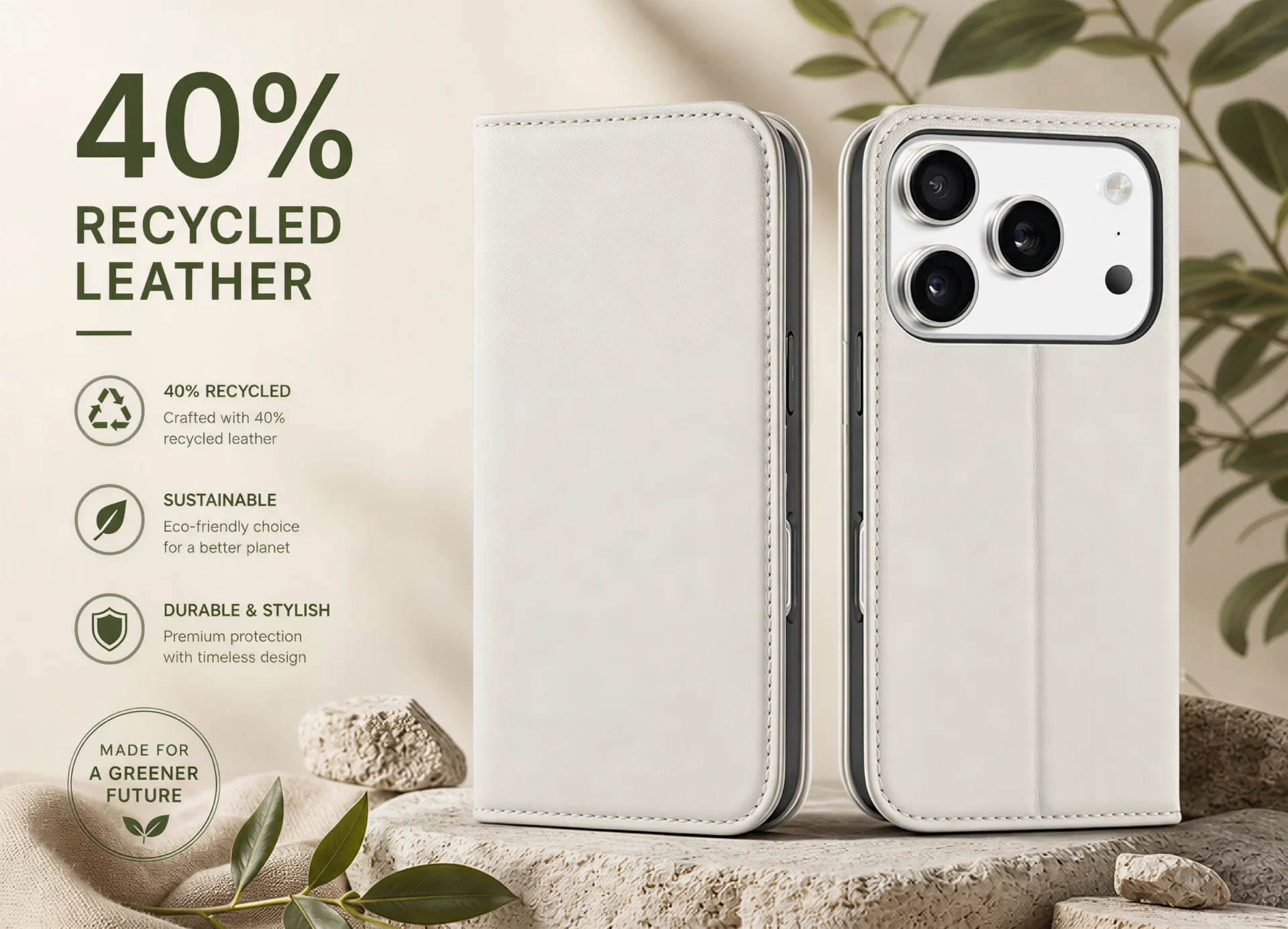
Native Union shares the testing behind its Active Case material in its material development article. The leather alternative contains 40% recycled content. Following 36 hours of sodium hydroxide (NaOH) hydrolysis resistance testing, drying, and evaluation, the brand reports no surface cracking, powdering, or peeling.
Its stain tests also reported that substances including coffee, sunscreen, and olive oil could be removed without discoloration or surface damage. These findings address practical concerns for everyday tech accessories: how the surface withstands deterioration and how easily it recovers from common spills and marks.
For your project, we establish material acceptance criteria around the product’s intended use and durability requirements. Candidate recycled materials are compared under consistent test conditions, with the findings guiding material approval and any necessary changes to the coating, backing, or construction. Documented sample results give your team a clear basis for selecting the material before committing to production.
Sustainable Product Quality Control
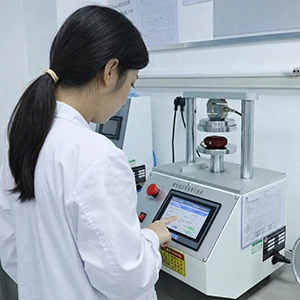
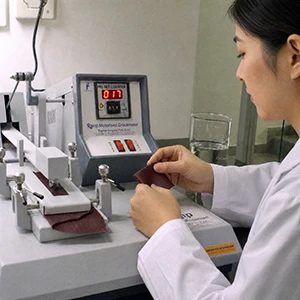
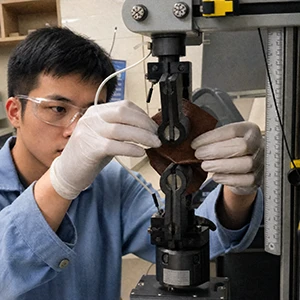
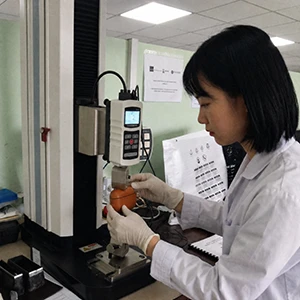
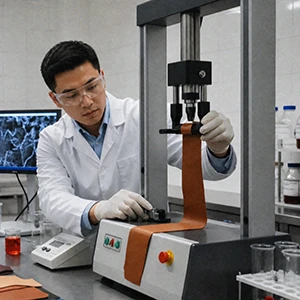
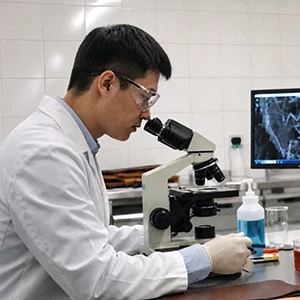
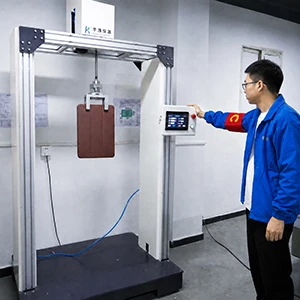
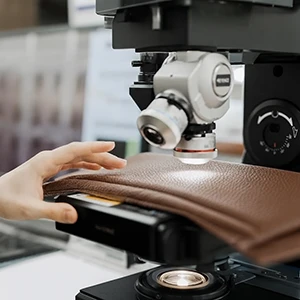
Before mass production, we test development samples against agreed performance requirements. Tests are selected for the material and construction, covering adhesion, abrasion, flex resistance, colorfastness, heat and sweat resistance, and dimensional stability.
During production, in-process inspections and laboratory checks monitor key quality requirements and consistency across batches.