Quality Control for Leather Protective Cases
Product quality is a key consideration for buyers evaluating leather protective case projects. Champion conducts inspections according to approved samples, technical specifications, and order requirements throughout production.
Our inspection team evaluates leather materials, product construction, appearance, workmanship, assembly, and functional performance against the agreed standards. Buyers may also appoint a third-party inspection company, and we provide full cooperation during the inspection.
Common Quality Risks in Leather Protective Cases
For leather protective cases, quality control in manufacturing focuses on material differences, workmanship defects, poor fit, weak bonding, and functions that do not work as expected. Professional inspectors must understand these issues to identify defects and control quality effectively.
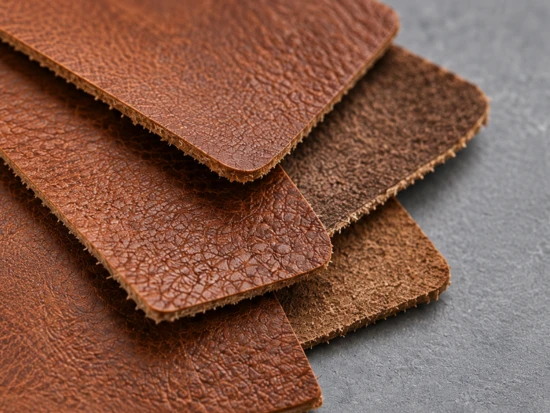
Material comparison
Grain / Tone / Thickness
Leather Material and Color Variations
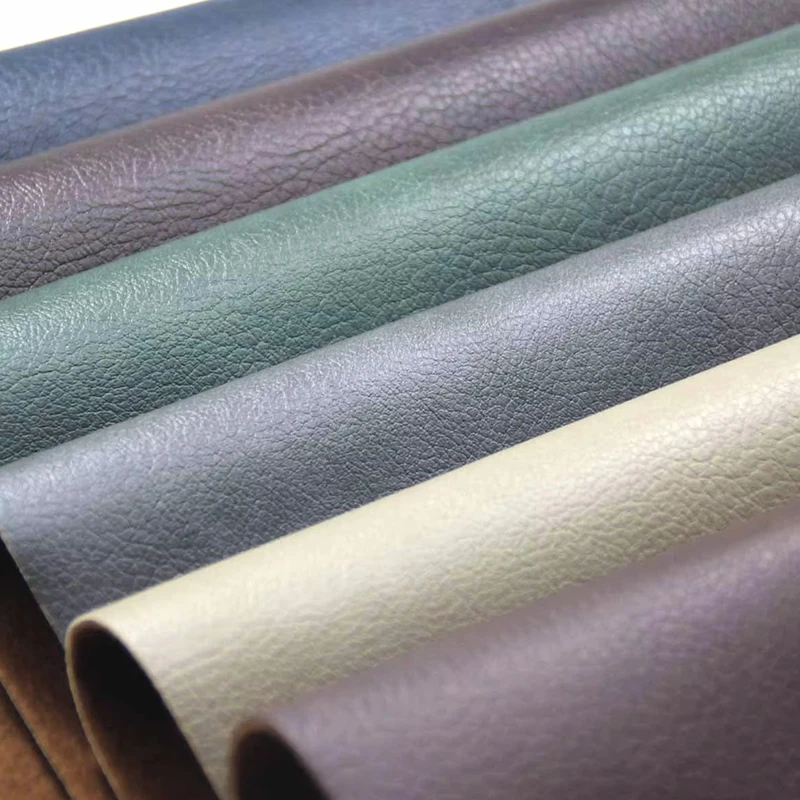
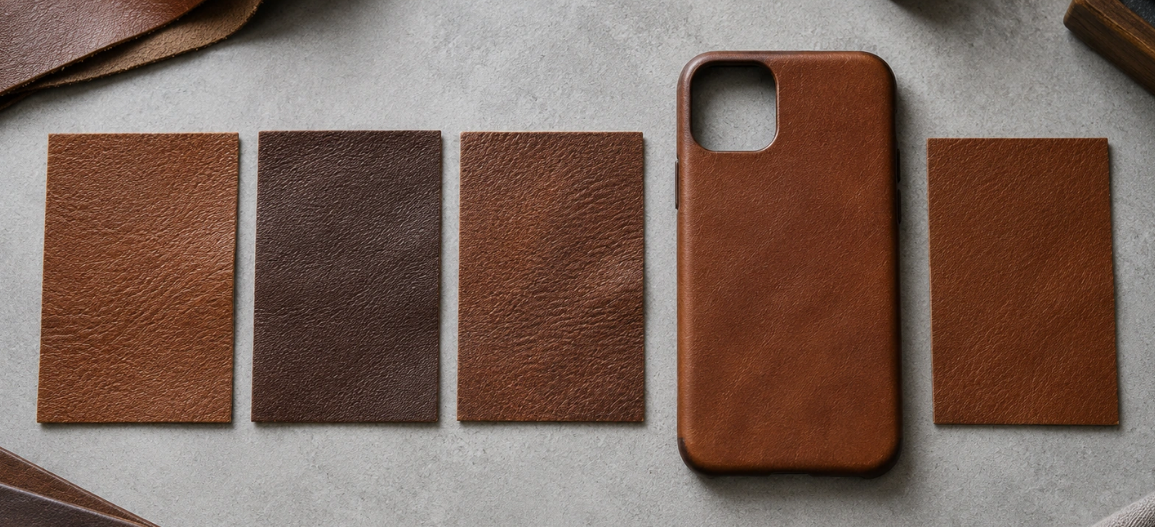
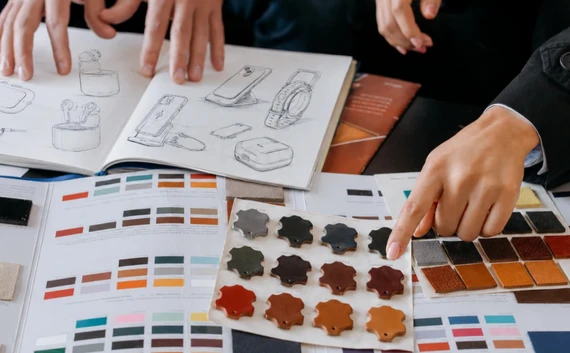
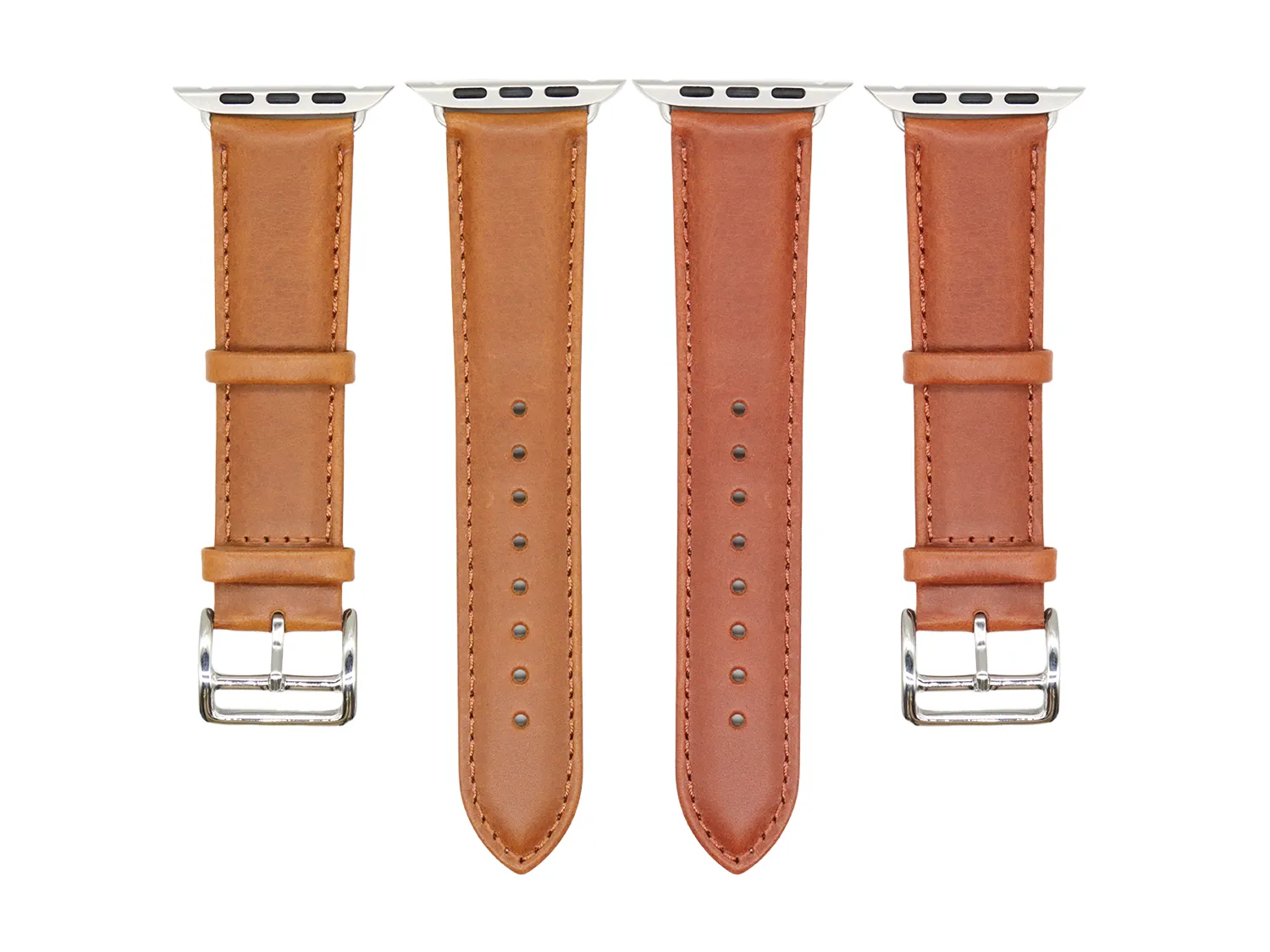
When checking incoming leather against the approved sample, we often notice differences in color, grain, thickness, and feel. These can come from natural leather characteristics or differences between batches.
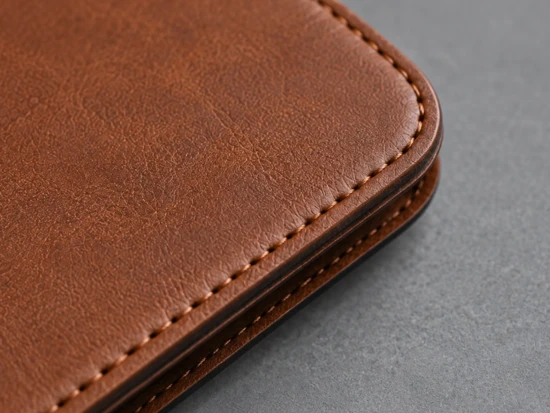
Workmanship inspection
Surface / Stitching / Edges
Appearance and Workmanship Defects
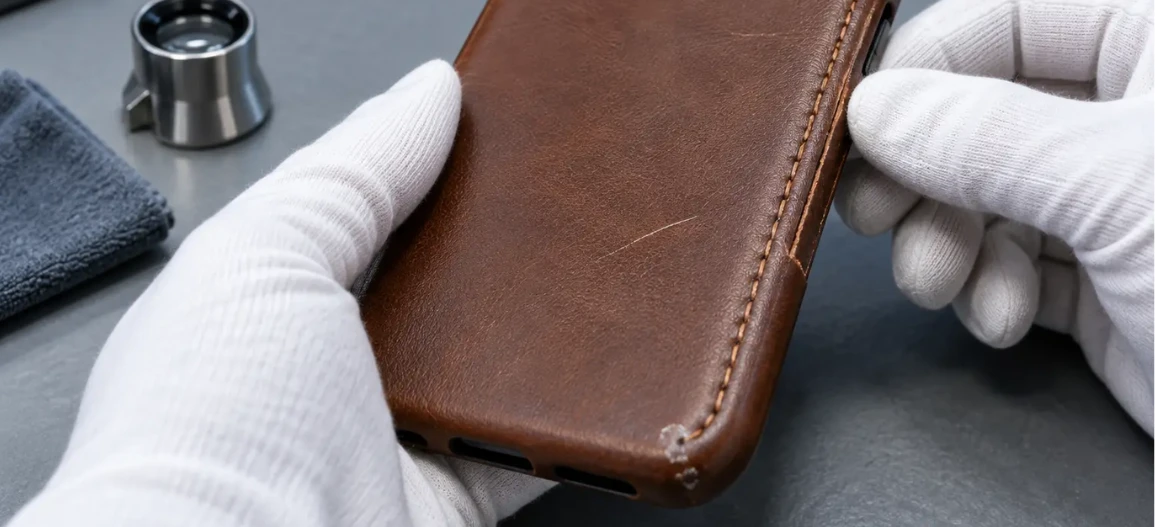
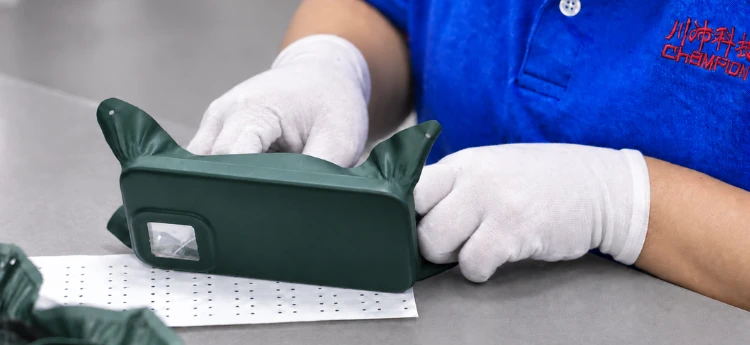
Scratches from handling, glue marks from excess adhesive, and uneven stitching or rough edges from inconsistent sewing and finishing often show up during visual checks in production.
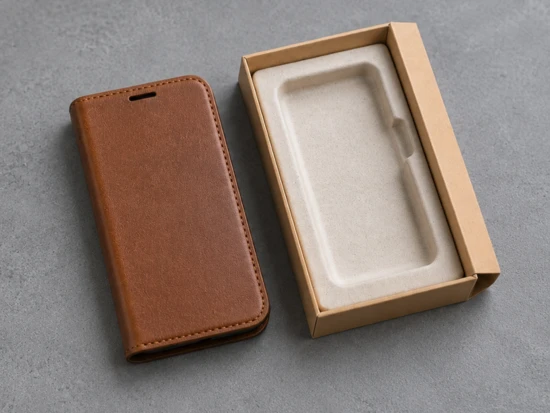
Dimensions, Cutouts and Device Fit
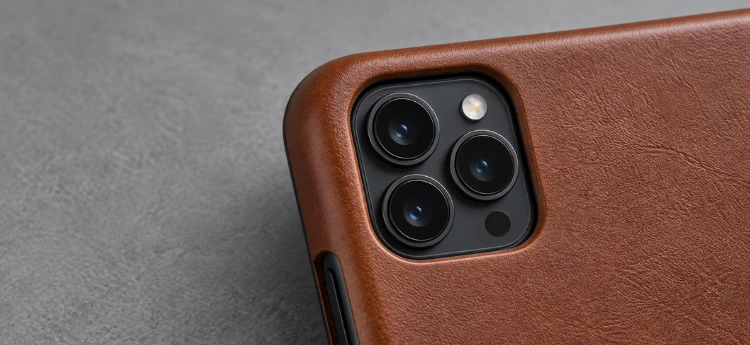
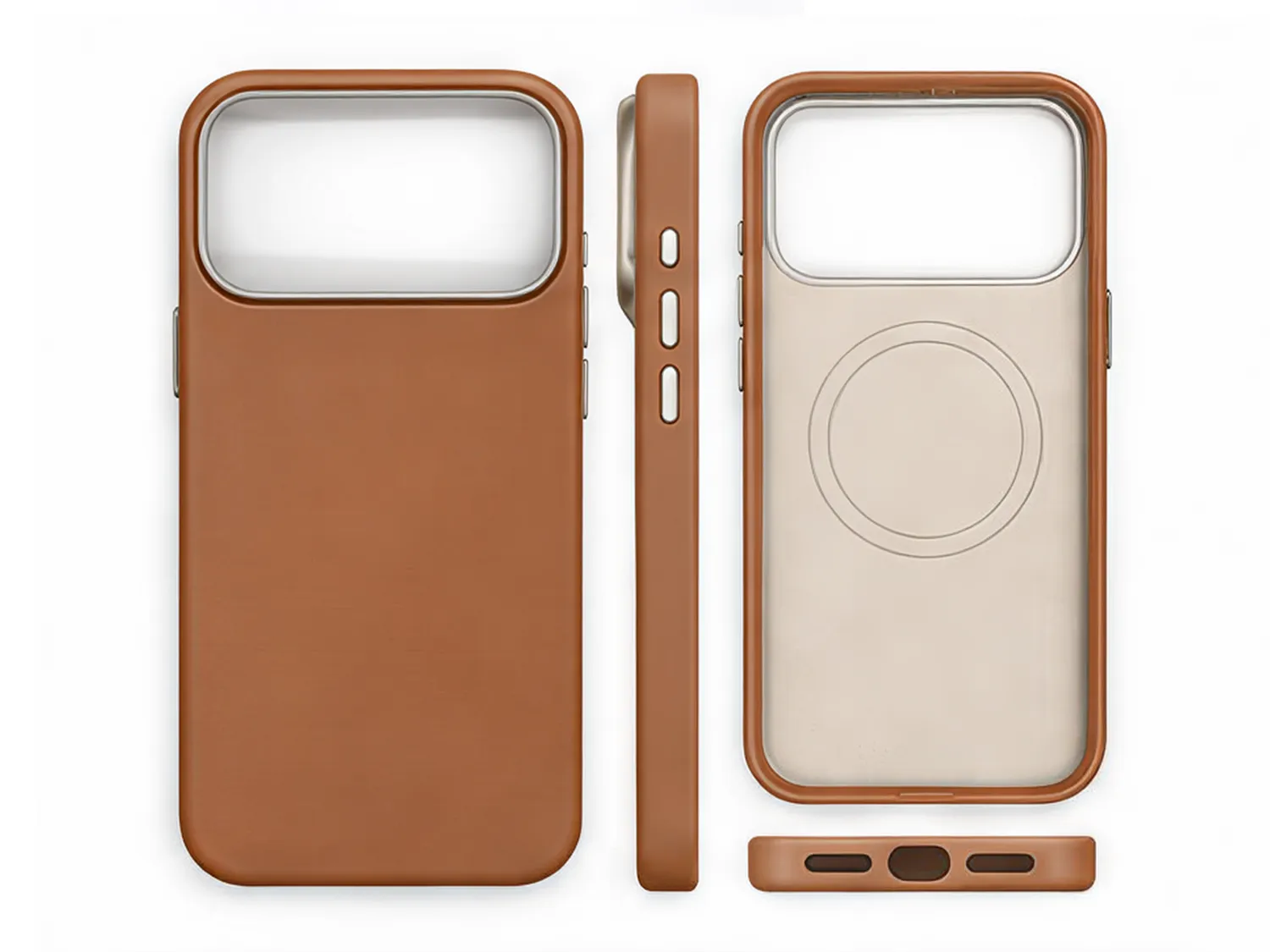
Misaligned openings or a case that is too tight or loose point to errors in cutting, molding, or assembly. We fit the case to the intended device and check the buttons and port access.
Bonding and Structural Durability
During assembly, we look for bubbles, lifted edges, or leather coming away from the shell, especially around corners and folds. These point to a mismatch between the materials and bonding process.
Product Function and User Experience
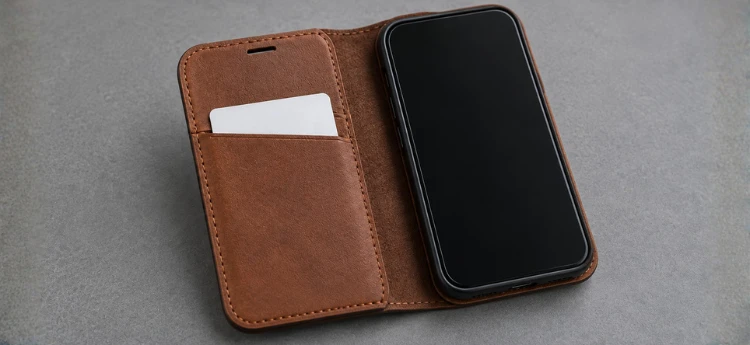
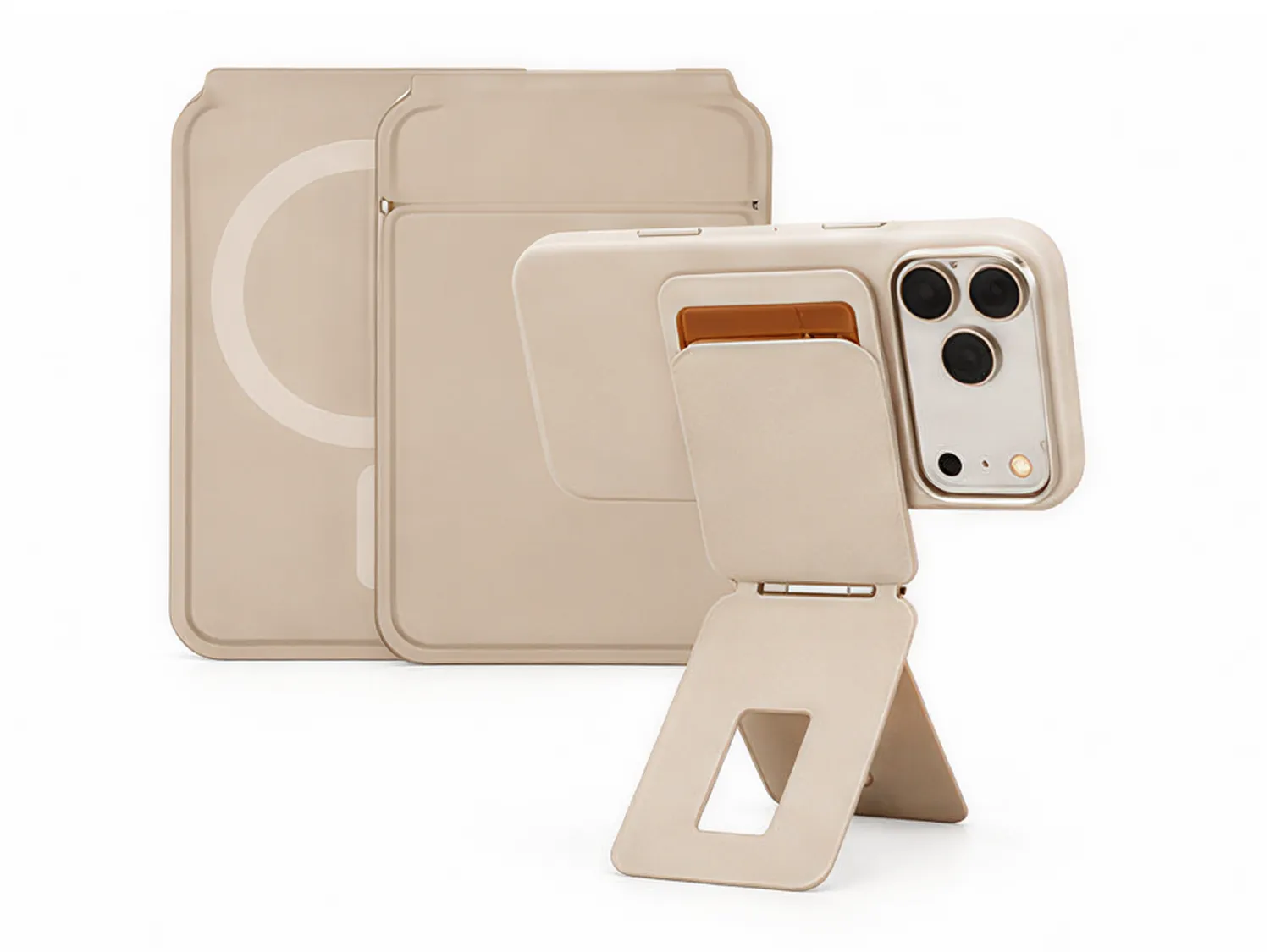
Assembly and alignment errors show up when we test the case: weak magnetic attachment, an unstable stand, loose cards, faulty closures, or blocked charging access. These all affect everyday use.
Our Quality Control Process
Our manufacturing inspection process follows the order from incoming materials through production, final inspection, and shipment release. Each stage helps buyers confirm that the finished products remain aligned with the approved sample and agreed specifications.
Incoming Quality Control
Incoming quality control focuses on leather, linings, molded shells, magnets, hardware, adhesives, and other components before they enter production. Material type, thickness, color, surface condition, and component consistency are checked against confirmed requirements.
In-Process Quality Control
Production quality inspection continues through cutting, stitching, edge finishing, leather wrapping, logo application, component positioning, and assembly. Identifying deviations during production helps prevent the same issue from continuing into later stages.
Final Product Inspection
Finished products are evaluated for appearance, workmanship, dimensions, device fit, bonding, and applicable functions before packing. The inspection is based on approved samples, drawings, and agreed product requirements.
Pre-Shipment Inspection
A pre-shipment inspection checks sampled finished products before the order leaves the factory. Product condition, quantities, labels, packaging, accessories, and shipping marks are reviewed against the purchase order and confirmed requirements.
What We Inspect in Leather Protective Cases
A product quality inspection for leather protective cases must cover both visible craftsmanship and device-related performance. The exact checklist is confirmed according to the material, device model, structure, function, and order requirements.
Built Around the Product
Structure / Fit / Function


Material type, thickness, grain, color, lining, surface condition, and batch consistency.
Cutting, stitching, edge finishing, leather wrapping, logo application, surface cleanliness, and hardware condition.
Overall dimensions, camera openings, button positions, port access, device insertion, removal, and fit consistency.
Shell-to-leather bonding, laminated construction, wrapped edges, component positioning, and stress areas are checked for lifting, bubbling, separation, or misalignment.
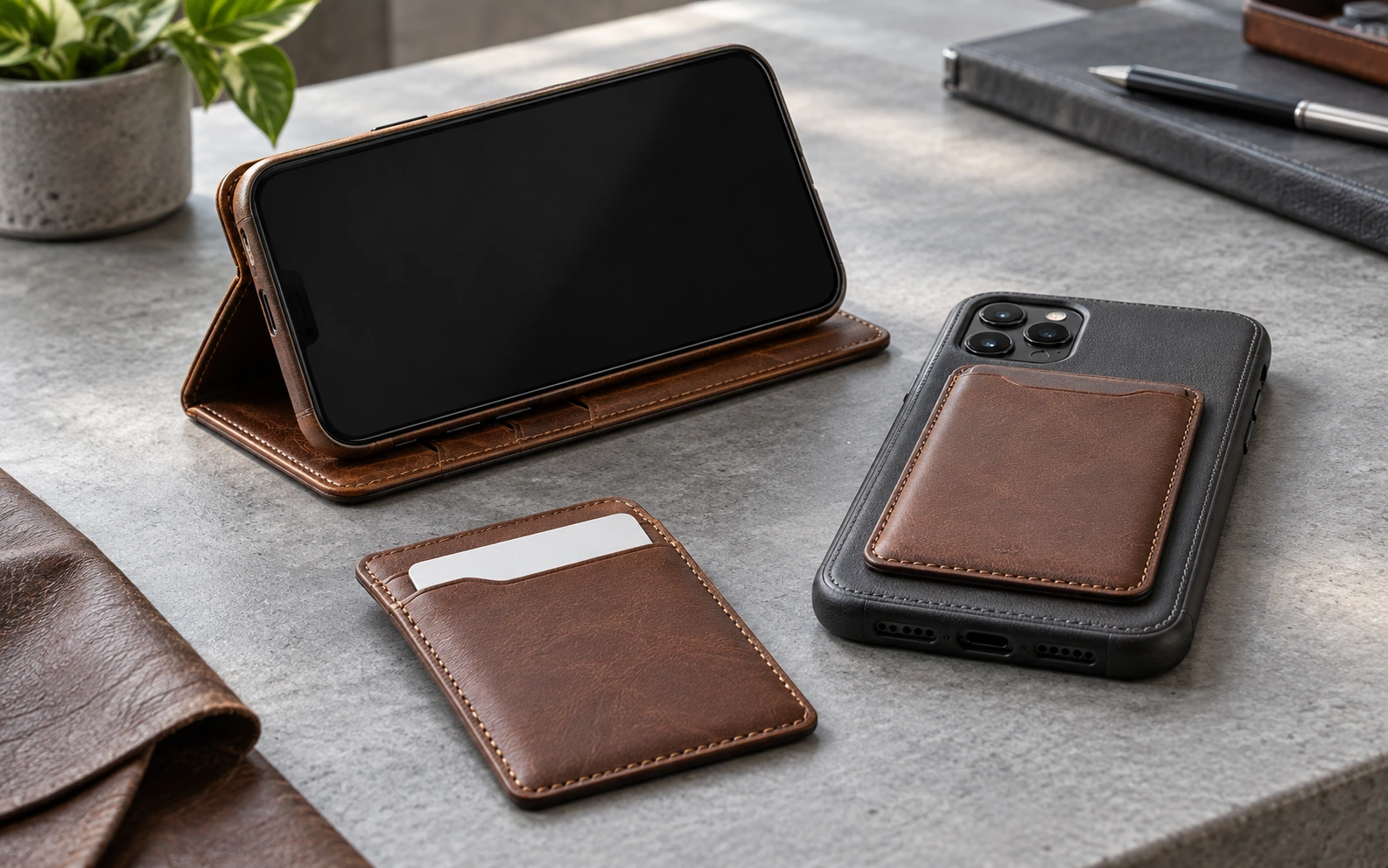
Magnetic alignment, closures, stand functions, card-slot retention, charging access, and other product-specific functions.
Product quantities, labels, accessories, packaging, markings, and confirmed purchase-order requirements.
Every Case Tested Before It Reaches You
Our common quality inspection areas cover materials, product structure, functionality, and buyer requirements. Specific testing can also be arranged to meet individual product or quality requirements.
Color Fastness Testing
Checks whether dry or wet rubbing changes the leather’s color or transfers color to the test cloth.
Magnetic Performance Testing
Checks the alignment, holding performance, and stability of magnetic structures during repeated attachment, detachment, and movement.
Flex Resistance Testing
Checks folds, hinges, wrapped edges, and other stress areas for cracking, deformation, lifting, or delamination after repeated movement.
Abrasion Resistance Testing
Evaluates how well the leather surface resists wear and damage from repeated rubbing.
Perspiration Resistance Testing
Colour fastness to perspiration is tested by following ISO 11641, evaluating colour change, staining, and colour transfer after exposure to artificial perspiration solution.
Aging Testing
Tests changes in color, surface condition, hand feel, bonding, and structure under UV light, temperature, and humidity conditions specified in ISO 17228.
Acceptance Criteria and Quality Control Reports
Acceptance Criteria
Finished cases are checked against approved samples and agreed specifications to confirm that their appearance, device fit, and functions meet the order requirements.
AQL Sampling
When AQL sampling is agreed, an inspection plan based on ISO 2859-1:2026 sets the sample size and acceptance or rejection limits.
Quality Control Reports
Our quality control report covers inspection findings and photos, test results, rework and reinspection records, and final release status.
Third-Party Inspection Support
Customers can arrange third-party inspections or use their own inspection teams for additional quality verification. We provide the necessary product information, samples, and coordination to support the inspection process.
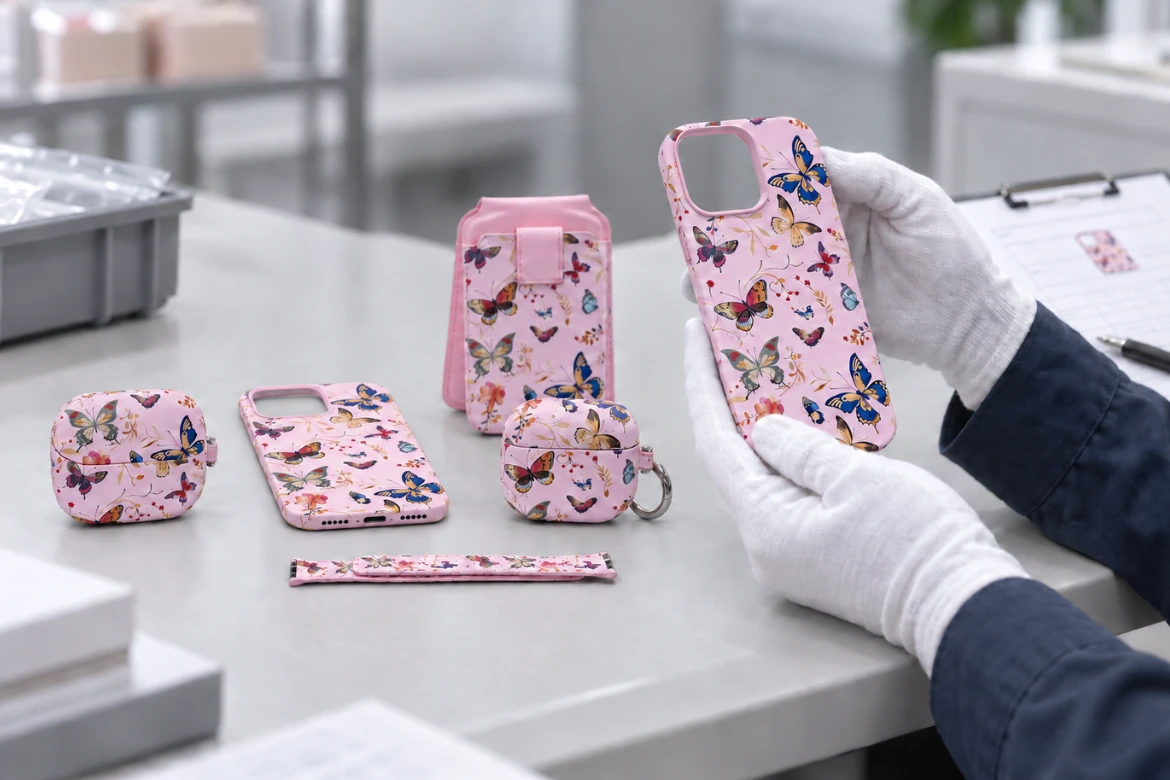
Champion provides coordinated support for MOQ planning, sample development, quality control, and product photography, helping buyers prepare custom products for production and market presentation.
We combine sustainable materials with superior craftsmanship to provide customized solutions that meet your brand's stringent requirements for luxury.